
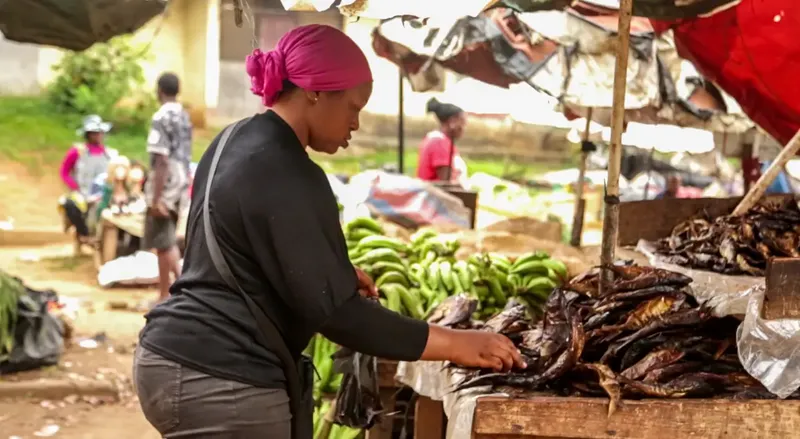
Women power the informal economy in Cameroon, running everything from food stalls to transport logistics, often working dawn to midnight while shouldering most household responsibilities. Their labour forms the backbone of local markets, yet the value of their contribution remains largely invisible and systematically undervalued. As entrepreneurs like Tiwa Alice and Jamilatou Ousmanou point out, thin profit margins, volatile prices, and rising transport costs make growing their businesses nearly impossible—often, survival is the primary goal.
This ongoing struggle is about more than individual enterprise: with over 80% of Cameroon’s workforce engaged in the informal sector, and women constituting the vast majority, their resilience is the shock absorber for the wider economy. But as inflation and instability persist, resilience alone cannot transform these micro-businesses into engines for lasting prosperity. Targeted policy, support programs, and investment are urgently needed if the country’s informal sector is to move from a survival mechanism to a genuine engine of inclusive growth.